

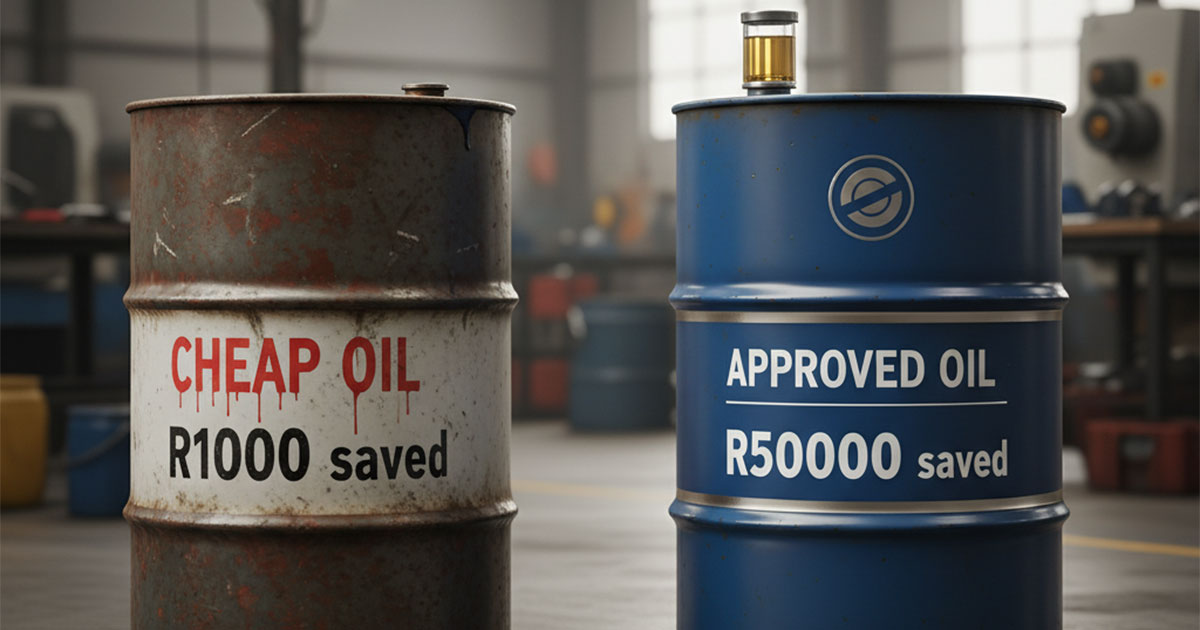
In the world of industrial machinery, automotive fleets, and heavy equipment, there’s a common misconception that lubricant oil is merely another operational expense to be minimised. Businesses often eye the price tag of different oils, naturally gravitating towards the cheapest option to cut costs. However, this perspective fundamentally misunderstands the critical role oil plays. Far from being a simple expense, quality lubricant oil is, in fact, an essential form of insurance – insurance for sustained uptime, extended asset life, and ultimately, greater profitability.
The Hidden Costs of “Cheap” Oil
When a company opts for a lower-grade, less expensive oil, they might see an immediate, albeit small, saving on their balance sheet. What they don’t see, however, are the hidden costs that begin to accumulate almost immediately:
- Increased Wear and Tear: Inferior oils often lack the robust additive packages necessary to protect components from friction, heat, and contaminants. This leads to accelerated wear on critical parts like bearings, gears, and engine components.
- Shorter Component Lifespan: As wear increases, the lifespan of expensive machinery components inevitably shortens. This means more frequent replacements, higher maintenance costs, and capital expenditure occurring sooner than anticipated.
- More Frequent Oil Changes: Cheaper oils degrade faster, losing their protective properties and viscosity sooner. This necessitates more frequent oil changes, negating any initial cost savings through increased labor, disposal fees, and higher overall consumption.
- Unexpected Downtime: This is the most significant and costly consequence. Component failure due to poor lubrication can bring production to a grinding halt. The cost of unscheduled downtime—lost production, missed deadlines, emergency repairs, and potential penalty clauses—can quickly dwarf any savings made on oil.
- Energy Inefficiency: High-quality oils are designed to reduce friction more effectively, leading to better energy transfer and efficiency. Substandard oils can increase drag, forcing machinery to work harder and consume more fuel or power.
The Value Proposition of Quality Lubrication
Viewing oil as insurance shifts the focus from initial purchase price to long-term value and risk mitigation. Investing in high-performance, OEM-approved lubricants provides a multitude of benefits that far outweigh the slightly higher upfront cost:
- Extended Equipment Life: Premium oils provide superior protection against wear, corrosion, and sludge buildup, significantly extending the life of engines, transmissions, and hydraulic systems. This defers costly capital expenditures and maximises the return on investment for machinery.
- Reduced Maintenance Costs: With better protection, components last longer, leading to fewer breakdowns and less frequent need for major repairs. This means lower labor costs, fewer spare parts, and a more predictable maintenance schedule.
- Maximised Uptime: The primary goal of any operation is to keep machinery running. Quality lubricants are a proactive measure against unexpected failures, ensuring consistent performance and minimising unscheduled downtime. Every hour of avoided downtime translates directly into continued productivity and revenue generation.
- Improved Efficiency: Optimised lubrication reduces friction, which can lead to lower energy consumption (fuel or electricity) and enhanced operational efficiency.
- Predictable Operations: When you know your equipment is well-lubricated with a reliable product, you gain greater predictability in your operations, allowing for better planning and resource allocation.
The Bottom Line
In a competitive industrial landscape, every decision impacts the bottom line. While the allure of saving a few dollars on a drum of oil might be tempting, it’s a classic example of being “penny-wise and pound-foolish.” The true cost of oil isn’t its price per litre, but the potential cost of equipment failure, lost production, and emergency repairs.
Savvy businesses understand that investing in the right lubricant is not an expense; it’s a strategic investment in the longevity, efficiency, and reliability of their most valuable assets. It’s the premium paid for an insurance policy that guarantees uptime, protecting against the
far greater financial risks of breakdown and operational paralysis.